

XAU/USD price analysis and forecast: Gold negotiates higher for a second consecutive day

BY
Ben Graham
|

By using this site, you agree to our Terms of Use of Use and Privacy Policy
On Thursday, gold (XAU/USD) continued to trade with a positive bias for the second consecutive day, while remaining within the range established during the previous session. A moderate weakening of the U.S. dollar, driven by weaker-than-expected U.S. macroeconomic data released on Wednesday, has remained the primary factor supporting the precious metal for a second straight day. At the same time, expectations of further monetary policy tightening by the U.S. Federal Reserve (Fed), along with persistent geopolitical risks, continue to support the U.S. dollar and limit gold's upside ahead of the release of the U.S. labor market data.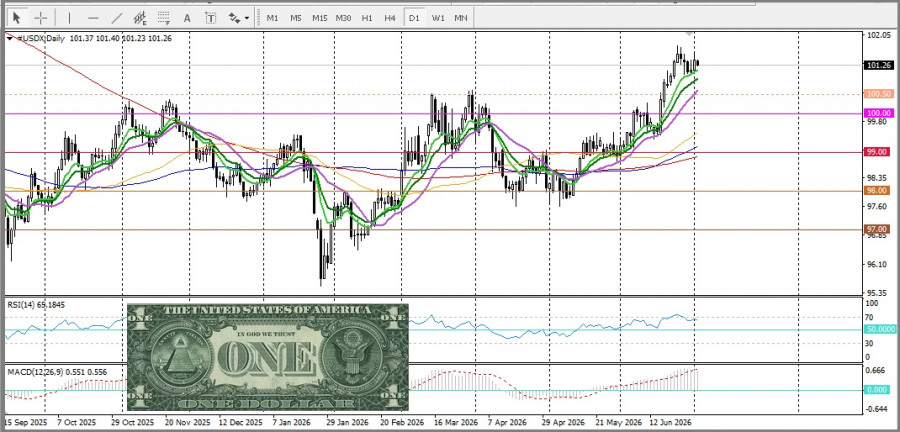
According to the ADP (Automatic Data Processing) report, U.S. private-sector employment increased by 98,000 in June, falling short of both the revised reading for the previous month (122,000) and the market consensus forecast of 113,000. In addition, the ISM Manufacturing PMI declined from 54.0 to 53.3 in June. Meanwhile, the Prices Paid Index fell from 82.1 to 73.0, while the Employment Index edged up from 48.6 to 49.7.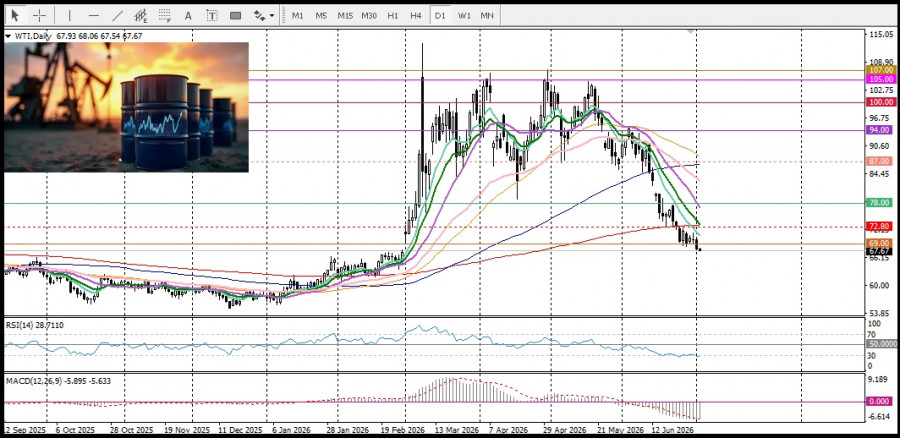
Additional pressure on the U.S. dollar came from the recent decline in oil prices, which significantly reduced short-term inflation expectations and prompted traders with bullish dollar positions to adopt a more cautious stance. This, in turn, provided additional support for gold.
From a technical perspective, the rally driven by short-covering encountered resistance at the 50-period Simple Moving Average (SMA), preserving the bearish bias in the near term. As for the oscillators, the MACD has turned higher into positive territory, while the RSI has also moved into positive territory.