GBP/USD – Price and forecast analysis: The Hawkish state of the Fed and the Dovish state of the Bank of England weigh on the double

BY
Ben Graham
|

By using this site, you agree to our Terms of Use of Use and Privacy Policy
The GBP/USD pair is showing a slight increase, trading above the round level of 1.3200, which was the low on June 29 and has also become the September low. However, the current fundamental situation supports the bears, requiring caution from the bulls.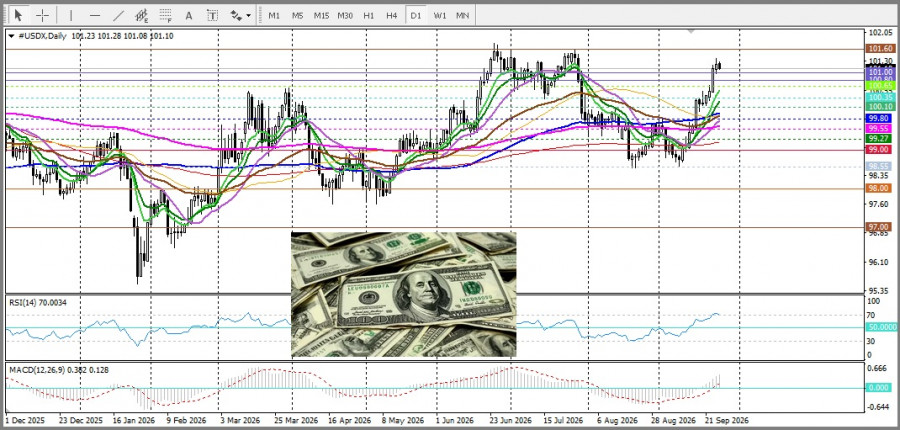 The U.S. dollar has paused its recent decline from a two-month high, thereby providing some support for GBP/USD. However, hawkish rhetoric from the Federal Reserve, high Treasury yields, and persistent geopolitical risks are supporting the dollar. In addition, the Bank of England's more cautious stance, reflected in its intention to keep interest rates unchanged or gradually lower them due to concerns about stagflation, points to the possibility of a continued decline in the pair.
For additional signals regarding the future course of the Bank of England's monetary policy, it is worth waiting for the scheduled speech by Bank of England Governor Andrew Bailey. His remarks will affect the dynamics of GBP/USD and the British pound.
During the North American session, attention will need to be paid to U.S. macroeconomic data, including durable goods orders and the revised University of Michigan Consumer Sentiment Index. In addition, comments from key members of the Federal Open Market Committee (FOMC) could affect the U.S. dollar and create new trading opportunities for GBP/USD.
From a technical perspective, GBP/USD remains below important moving averages, including the 200-day simple moving average (SMA), indicating that any attempts by the pair to rise are likely to remain limited while bearish sentiment dominates the market. The SMA at 1.3452 represents a key barrier that the bulls need to overcome to ease the current selling pressure. However, the nearest resistance is at 1.3260.
If the pair declines, a break below 1.3200 would open the way toward the current-year low of around 1.3160, set in June. Further selling would provide a strong signal for the bears and could lead to a further decline in the exchange rate in the short term.
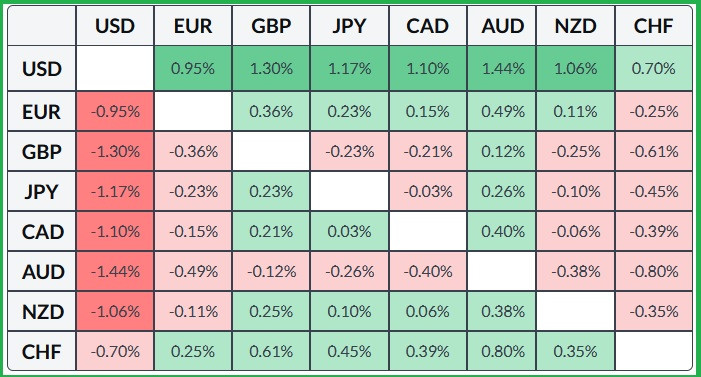
The oscillators are negative, confirming the bears' advantage. However, the Relative Strength Index (RSI) is in oversold territory, indicating the possibility of a correction. The table below shows the percentage change in the U.S. dollar exchange rate against key currencies this week. The U.S. dollar recorded its largest appreciation against the Australian dollar.